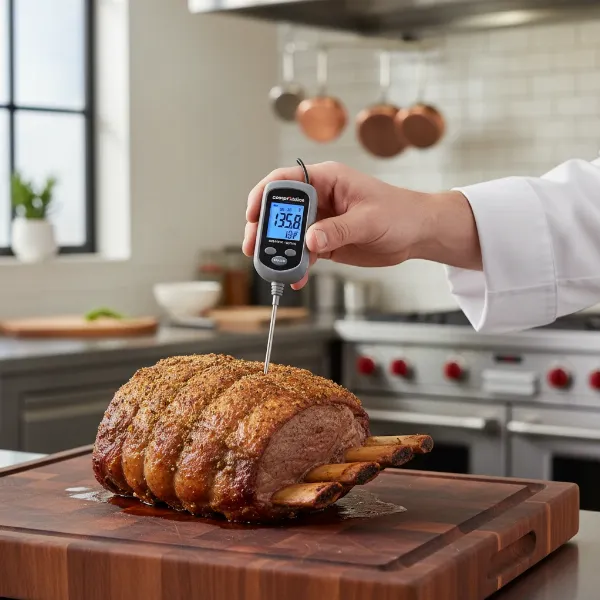
Deep frying can transform simple ingredients into golden, crispy delights, but achieving that perfect texture and flavor consistently often feels like a culinary mystery. The secret to success, as many seasoned cooks will tell you, lies squarely in temperature control. Imagine effortlessly knowing your oil is at the optimal heat, ensuring every piece of chicken, every batch of fries, and every donut emerges flawlessly cooked, never greasy, and always delightful. This precision is not guesswork; it’s the invaluable role of a deep frying thermometer, securely held in place by its trusty pot clip.
The Essential Role of a Deep Frying Thermometer with Clip
A deep frying thermometer with a pot clip is more than just a kitchen gadget; it’s your indispensable partner for culinary precision. At its core, this tool measures the temperature of your hot oil, providing real-time feedback crucial for successful deep frying. The integrated clip is a game-changer, allowing you to attach the thermometer securely to the side of your frying pot. This hands-free design is a significant safety and convenience feature, preventing accidental drops into scorching oil and freeing your hands to manage food.
The primary reason to employ a deep fry thermometer is to maintain accurate oil temperature. When oil is too cool, food absorbs excessive grease, resulting in a soggy, unappetizing mess. Conversely, if the oil is too hot, the exterior of your food will burn before the interior has a chance to cook through, leaving you with an unappetizing, undercooked center. By keeping the oil within the ideal temperature range, you ensure that food cooks evenly, develops a crisp, golden crust, and retains its internal moisture without becoming overly oily. This precise control not only elevates the taste and texture of your fried foods but also contributes to food safety by ensuring adequate cooking.
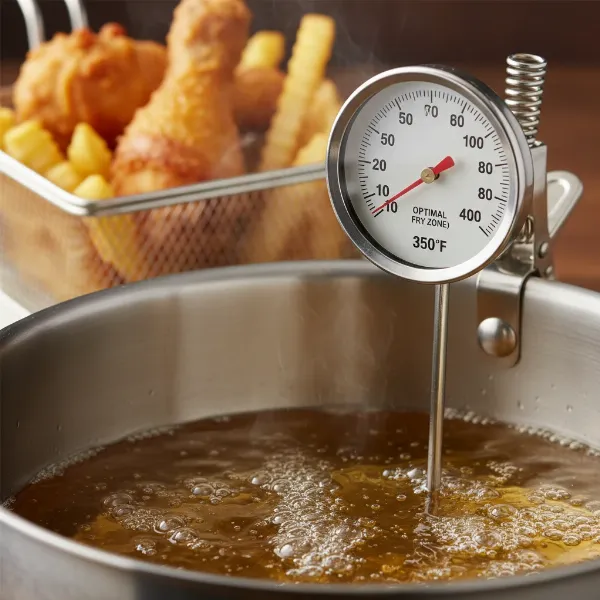 A deep frying thermometer with a pot clip accurately measuring oil temperature for crispy fried food.
Deep fry thermometers come in a couple of main variations. Analog thermometers offer a traditional dial display, often being more budget-friendly and not requiring batteries. Digital thermometers, on the other hand, provide quick, precise readings on an easy-to-read LCD screen, frequently featuring backlights for low-light conditions, programmable alarms, and sometimes even calibration functions for long-term accuracy. Many advanced digital models also include robust probes designed for the high temperatures of deep frying.
Guide to Choosing the Right Deep Frying Thermometer
Selecting the perfect deep frying thermometer involves considering several key factors to match your specific cooking style and needs. With over a decade of experience testing hundreds of thermometers, I’ve learned that the right tool can make all the difference.
First, temperature range and accuracy are paramount. A good deep fry thermometer should accurately measure temperatures up to at least 400°F (200°C), as most deep frying occurs between 350°F and 375°F (175°C and 190°C). Look for models with an accuracy of ±2°F (±1°C) or better. Speed of reading is also vital, especially with oil temperatures that can fluctuate rapidly. Instant-read probes provide quick updates, allowing you to make timely adjustments to your heat source.
Durability and material are critical given the harsh environment of hot oil. Stainless steel probes are standard, offering excellent heat resistance and longevity. An easy-to-read display, whether a large analog dial or a backlit digital screen, is essential for quick glances during cooking. Features like programmable alarms can be incredibly helpful, alerting you when your oil reaches the desired temperature or if it drops too low, preventing constant monitoring.
Consider the design of the pot clip. It should be sturdy, adjustable, and capable of securely attaching to various pot thicknesses without slipping. Some clips feature an integrated stopper to ensure the probe doesn’t touch the bottom of the pot. An insulated handle on analog models helps with safe handling, while waterproof ratings (like IPX5) on digital thermometers make cleanup much easier. While often associated with meat thermometers, the ability to calibrate your deep fry thermometer ensures its accuracy remains consistent over time, a feature worth looking for in higher-end models.
Mastering Your Deep Frying Thermometer: Step-by-Step Usage
Using a thermometer clip for deep frying is straightforward, yet a few crucial steps ensure you get the most accurate readings and the best results.
Placement is Key
|
Our Picks for the Best Meat thermometer in 2026
As an Amazon Associate I earn from qualifying purchases.
|
||
| Num | Product | Action |
|---|---|---|
| 1 | ThermoPro TP03B Digital Meat Thermometer for Cooking, Instant Read Thermometer with Backlight, Kitchen Food Thermometer for Grill Smoker BBQ Oil Deep Fry Candy Bread Coffee with Pop-up Meat Probe |

|
| 2 | Professional Meat Thermometer - Instant Read Food Thermometer with Waterproof Design, Backlight, Hold/Min/Max Function - Cooking Thermometer for Grilling, BBQ, Kitchen Use |
|
| 3 | Meat Thermometer Digital with 1 Second Instant Read, Large LED Display, Food Thermometer |
|
| 4 | Alpha Grillers Meat Thermometer Digital - Instant Read Food Thermometer for Cooking and Grilling Gifts for Men Valentines Day Gifts for Him Her Mom Dad |
|
| 5 | Ultrean Digital Meat Thermometer for Cooking,Ultra-Fast Instant Read Food Thermometer with Backlight,Foldable Probe,Waterproof Kitchen Thermometer for BBQ,Grill,Fry,Oven,Candy Making |
|
| 6 | Meat Thermometer Digital, Instant Read Meat ThermometerI for Grill and Cooking, Waterproof Food Thermometer for Kitchen and Outside, BBQ, Turkey, Candy, Liquids, Beef |
|
| 7 | TempPro TP829 1000ft Wireless Meat Thermometer Digital for Grilling and Smoking, 4 Meat Probes Grill Thermometer for Outside Grill, BBQ Thermometer for Cooking Food Temperature (Previously ThermoPro) |
|
| 8 | Meat Thermometer Digital - Instant Read Food Thermometer for Cooking Grilling, Candy, Air Fryer, Griddle Probe Kitchen Gadgets Essentials BBQ Accessories, Valentines Day Gifts for Him Her, Red |
|
| 9 | 0.5 Sec Instant Read Meat Thermometer Digital with ±0.5℉ Precision, Food Thermometer for Cooking Kitchen Gadgets, Oven Grill Candy BBQ Essentials Accessories, Gifts for Him Dad Men Birthday, Red |
|
| 10 | ThermoPro TP19H Digital Meat Thermometer for Cooking with Ambidextrous Backlit and Motion Sensing Kitchen Cooking Food Thermometer for BBQ Grill Smoker Oil Fry Candy Instant Read Thermometer |
|
The most critical aspect of using your deep frying thermometer correctly is its placement. Securely attach the thermometer’s clip to the side of your deep frying pot. Ensure the probe tip is suspended in the oil, submerged deep enough to get an accurate reading of the oil’s core temperature, but critically, it must not touch the bottom or sides of the pot. If the probe touches the metal of the pot, it will read the temperature of the pot itself, which can be significantly different from the oil temperature, leading to inaccurate readings and potentially compromised cooking. Many clips are adjustable, allowing you to slide the thermometer up or down to achieve the perfect depth.
Heating Oil Gradually
Once your thermometer is correctly positioned, begin heating your oil over medium-high heat. Patience is a virtue here. Heating the oil gradually prevents scorching and ensures a more stable temperature as you approach your target. Continuously monitor the thermometer as the oil heats up. Resist the urge to crank the heat too high initially, as it can overshoot the desired temperature quickly and degrade the oil faster.
Maintaining Consistent Temperature
Maintaining a consistent oil temperature throughout the frying process is paramount. As you add food, especially cold or room-temperature items, the oil temperature will naturally drop. Your thermometer is your guide to managing this.
- Adjust Heat: If the temperature drops too much (typically below 325-350°F for most recipes), slightly increase the heat on your stove to bring it back up.
- Avoid Overcrowding: Frying too much food at once will cause a drastic temperature drop. Work in small batches to help the oil recover more quickly.
- Allow Recovery Time: After adding a batch of food, allow the oil to return to the desired frying temperature before adding the next batch. This usually takes a few minutes.
Safe Practices
Deep frying involves hot oil, so safety is always a priority.
- Dry Food: Always ensure food is as dry as possible before introducing it to hot oil. Moisture causes splattering.
- Check Internal Temperature Separately: While the deep fry thermometer monitors oil temperature, you should check the internal temperature of meat, poultry, or seafood after removing it from the oil using a separate instant-read meat thermometer. Do not test the internal temperature of food while it’s submerged in the hot oil, as this can give inaccurate readings and pose a burn risk.
- Proper Handling: Always use long-handled tongs or a spider strainer to carefully lower and remove food from the hot oil.
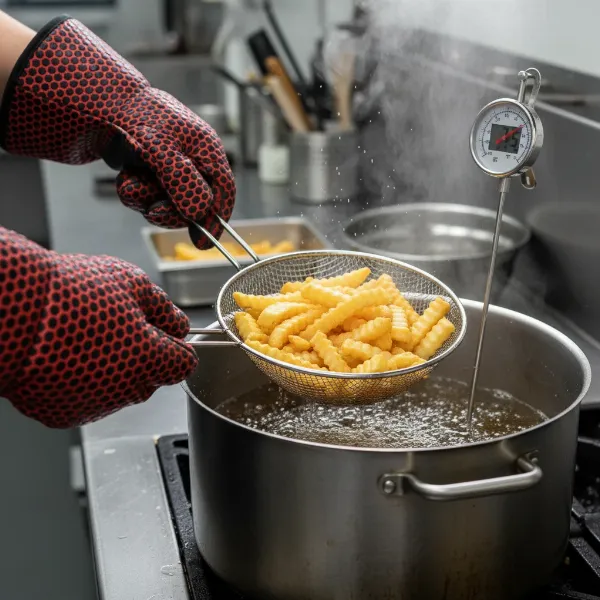 Chef carefully lowering food into hot oil with a spider strainer, monitoring temperature with thermometer.
Troubleshooting Common Deep Frying Thermometer Issues
Even with the best tools, you might encounter a few hiccups. Here’s how to address common issues:
- Inaccurate Readings: The most frequent cause is incorrect probe placement. Double-check that the probe tip is not touching the bottom or sides of the pot. If issues persist, your thermometer might need calibration. Many digital thermometers have a calibration feature; refer to your manual for instructions, often involving an ice bath.
- Thermometer Falling or Slipping: A loose or poorly designed pot clip can cause this. Ensure the clip is securely fastened to the pot’s rim. If the clip is adjustable, make sure it’s tightened correctly. Some aftermarket clips offer better grip than those included with basic thermometers.
- Foggy Display: Steam from cooking can condense on the display of some thermometers, making it hard to read. Some advanced digital deep fry thermometers feature a “steam guard” or angled display to mitigate this. If yours doesn’t, try to position the thermometer where steam is less concentrated, or quickly wipe the display with a dry cloth when needed.
Elevating Your Fried Dishes with Precision
Armed with your deep frying thermometer and clip, you’re ready to unlock a new level of culinary excellence. Precision temperature control is the difference between good and truly great fried food.
- Perfect Fried Chicken: Aim for oil temperatures between 325-350°F (160-175°C) to ensure the chicken cooks through without burning the crust, resulting in juicy, tender meat with a beautifully crispy exterior.
- Crispy French Fries: Many chefs recommend a two-stage frying process. Fry at a lower temperature, around 300-325°F (150-160°C), for the first fry to cook the potato through, then remove and drain. For the second fry, increase the oil to 375°F (190°C) for a quick, intense burst that creates an incredibly crispy, golden-brown finish.
- Golden Donuts and Fritters: Maintain a consistent 350-360°F (175-180°C) for these delicate treats. Too low, and they’ll absorb too much oil; too high, and they’ll brown too quickly, leaving a raw center.
The precise temperatures your thermometer helps you maintain will prevent sogginess, reduce oil absorption, and enhance the flavor and texture of everything you fry. It takes the guesswork out of achieving that coveted golden-brown perfection and ensures your dishes are cooked safely every time.
Conclusion
A deep frying thermometer with a pot clip is an indispensable tool for anyone serious about deep frying. It offers the precision needed to achieve consistently crispy, perfectly cooked results, while also enhancing safety in the kitchen. By understanding how to properly place and utilize this simple device, you gain unparalleled control over your oil temperature, transforming your deep-frying endeavors from a daunting task into a confident culinary art. Embrace this essential gadget, and you’ll soon wonder how you ever fried without it.
Are you ready to elevate your deep frying game and impress with flawlessly crispy creations?
Frequently Asked Questions
Why shouldn’t the thermometer touch the bottom of the pot?
The thermometer probe should not touch the bottom or sides of the pot because these metal surfaces heat up faster and retain heat longer than the oil itself. If the probe touches the pot, it will give an inaccurate reading of the pot’s temperature, not the actual oil temperature, leading to inconsistent cooking results.
What is the ideal deep frying temperature range?
For most deep-fried foods, the ideal oil temperature range is between 350°F and 375°F (175°C and 190°C). This range ensures that food cooks thoroughly and develops a crisp, golden-brown crust without becoming overly greasy or burnt. Specific recipes, like a two-stage fry for French fries, might call for different temperatures at various stages.
How do I clean my deep frying thermometer?
Most deep frying thermometers are easy to clean. For stainless steel probes, simply wipe off excess oil with a paper towel once it has cooled, then wash with warm, soapy water. Some digital models are waterproof (check their IPX rating) and can be rinsed under running water. Always consult your thermometer’s user manual for specific cleaning instructions to ensure longevity.
Can I use a regular meat thermometer for deep frying?
While some meat thermometers, particularly those with a high-temperature range and durable probes, might technically measure the high temperatures of deep frying, it’s generally best to use a thermometer specifically designed for deep frying or candy making. These are often built with features like pot clips and insulated handles for safety and convenience in the deep frying environment.