In the world of outdoor gear, electronics, and even everyday items, terms like “waterproof” and “water-resistant” are thrown around constantly. They sound similar, yet the difference between them can mean the survival of your expensive smartphone in a downpour or a soggy disaster. As someone who has spent over a decade dissecting the nuances of protective technologies, I can tell you that understanding these terms is critical, especially when it comes to cleaning and maintaining your gear.
The Crucial Distinction: Understanding Waterproof, Water-Resistant, and Water-Repellent
When an item is labeled as water-resistant, it signifies a degree of protection against water penetration, but not total immunity. Think of it as a defense mechanism that can repel light splashes or brief exposure to moisture. This resistance is often achieved through tightly woven fabrics that make it difficult for water to pass through, or a very light coating. However, under heavy rain or prolonged exposure, water-resistant items will eventually succumb to moisture.
Stepping up from merely resistant, water-repellent items actively push water away. This is typically accomplished with a surface treatment, often referred to as a Durable Water Repellent (DWR) coating. When water hits a water-repellent surface, it beads up and rolls off, delaying saturation. While highly effective against drizzles and splashes, these coatings can wear off over time, and the material underneath may not be inherently waterproof.
True waterproof items, on the other hand, are designed to completely block out moisture. They are impervious to water, even when submerged for specific periods. This level of protection is achieved through a combination of materials and construction, often involving sealed seams and internal membranes that create an impenetrable barrier. Waterproof gear is what you need for heavy rain, snow, or direct immersion in water.
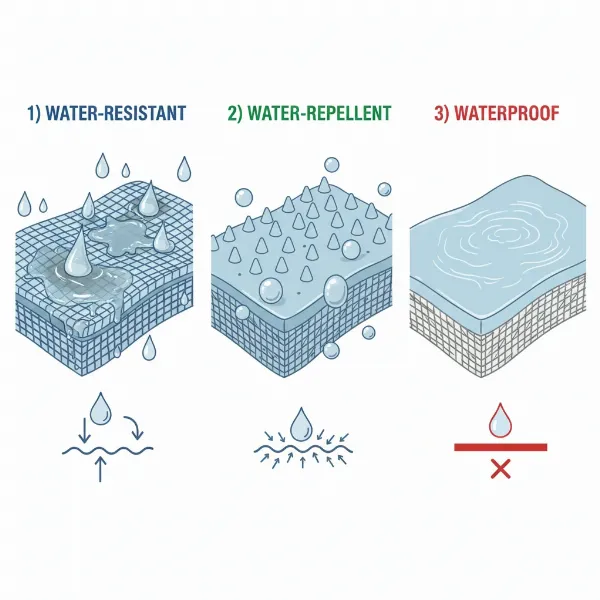 Visual comparison of water-resistant, water-repellent, and waterproof properties with water droplets.
Unpacking IP Ratings: Your Guide to Water Protection in Electronics
For electronic devices, the level of water protection is often quantified by an Ingress Protection (IP) rating, a standard classification system developed by the International Electrotechnical Commission (IEC). This two-digit code, usually displayed as “IPXX,” tells you exactly how well a device is protected against both solid particles (like dust) and liquids.
The first digit in an IP rating, ranging from 0 to 6, indicates protection against solids. A “6” means the device is dust-tight. The second digit, from 0 to 8, specifies the degree of water protection. The higher the number, the greater the resistance to water.
Let’s break down some common IP ratings you might encounter:
- IPX4: Protected against splashing water from any direction. This means it can handle light rain or sweat, but not immersion.
- IPX7: Protected against temporary immersion in water up to 1 meter (about 3.3 feet) for a maximum of 30 minutes. This rating is often found in devices like smartwatches or some outdoor speakers.
- IP68: Offers the highest common level of protection. The “6” means it’s dust-tight, and the “8” indicates it can withstand immersion in water beyond 1 meter for an extended duration, with the exact depth and time specified by the manufacturer. Many flagship smartphones carry an IP68 rating.
It’s crucial to understand that these IP ratings are determined under controlled laboratory conditions, typically using freshwater. Exposing your device to saltwater, soapy water, chlorinated pool water, or other liquids can compromise the seals and coatings, potentially leading to damage that isn’t covered by warranty. Furthermore, the water resistance of any device is not permanent and can decrease over time with normal wear and tear.
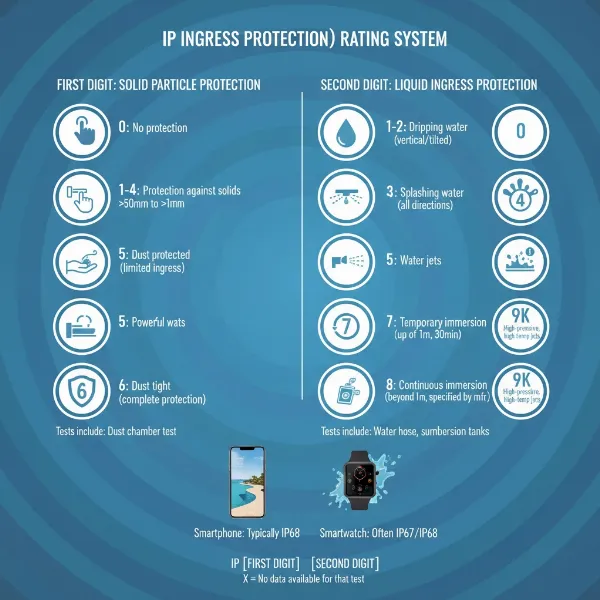 Infographic explaining IP ratings for electronics, showing dust and water protection levels.
Can You Wash It? Cleaning Water-Resistant Fabrics
Maintaining water-resistant fabrics requires a gentle touch to preserve their protective properties. These materials often rely on a DWR coating that can be damaged by harsh cleaning agents.
Best practices for cleaning water-resistant clothing:
- Mild Soap and Lukewarm Water: For general cleaning, use a mild, non-detergent soap and lukewarm water. Avoid strong detergents, especially those containing fabric softeners or bleach. These chemicals can break down the DWR coating and clog the fabric’s pores, reducing its ability to repel water and breathe effectively.
- Gentle Washing: Handwashing is often the safest method. If using a machine, opt for a delicate cycle with a low temperature (around 30 degrees Celsius).
- Thorough Rinsing: Ensure all soap residue is completely rinsed away. Leftover soap can attract dirt and compromise the fabric’s water-repellent qualities.
- Air Drying: Always air dry water-resistant garments. High heat from a dryer can damage the fabric and its coating. Hang them in a cool, dry area away from direct sunlight.
- Restoring Repellency: Over time, the DWR coating will degrade. You can often restore its effectiveness by tumble drying the garment on a low heat setting after washing, as heat can reactivate the coating. When the DWR is significantly worn, specialized water-repellent sprays or wash-in treatments can be applied to renew the fabric’s ability to shed water.
Can You Wash It? Cleaning Waterproof Fabrics and Gear
For truly waterproof fabrics, such as those found in high-performance jackets with internal membranes, the cleaning process is similar to water-resistant items but often involves specialized products to maintain their integrity.
Guidelines for cleaning waterproof gear:
- Specialized Cleaners: Opt for technical cleaners designed specifically for waterproof apparel. These products clean without stripping the DWR or damaging the waterproof membrane. Avoid regular laundry detergents for the same reasons as water-resistant fabrics.
- Machine Washing: Many waterproof garments can be machine washed. Close all zippers and fasteners, and wash on a delicate cycle at a low temperature (e.g., 30°C).
- Re-Proofing: After cleaning, consider using a re-proofing agent, either a wash-in solution or a spray-on product, to replenish the DWR. This is essential for ensuring the outer fabric continues to repel water effectively, allowing the inner waterproof membrane to function optimally.
- Heat Activation: Following a wash and re-proof, a low-heat tumble dry (if recommended by the manufacturer) can help activate the re-proofing agent and restore the DWR. Always check the care label for specific drying instructions.
Can You Wash It? Cleaning Water-Resistant and Waterproof Electronics
This is where the greatest caution is needed. While some electronics are advertised as “waterproof” or “water-resistant,” this does not mean they are designed to be scrubbed vigorously or soaked in soapy water.
Safe cleaning methods for electronic devices:
- Consult Manufacturer Guidelines: Always, always refer to the manufacturer’s specific cleaning instructions for your device. These can vary significantly between brands and models.
- Gentle Wiping: For most water-resistant smartphones and gadgets, a soft, lint-free microfiber cloth dampened with distilled water is usually sufficient for cleaning external surfaces.
- Mild Solutions (with caution): For disinfection, some manufacturers, like Apple, now endorse using 70% isopropyl alcohol wipes or 75% ethyl alcohol wipes on hard, nonporous surfaces. Never spray cleaning solutions directly onto the device; instead, apply them to the cloth.
- Waterproof Phone Cases: If you have a separate waterproof case, these are generally much safer to wash. With the device removed (or securely sealed inside if the case allows for cleaning with the device still in it), you can often wash the case with mild soapy water, rinse it thoroughly, and dry it completely. Always ensure it’s completely dry before re-inserting your phone.
What to absolutely avoid:
- Submerging: Even with an IP rating, submerging your device in cleaning agents like dish soap, bleach water, or hydrogen peroxide is a major risk. These chemicals can degrade seals and coatings, leading to catastrophic water damage.
- Compressed Air: Do not use compressed air to clean ports or openings. The force can damage internal rubber seals that are critical for water resistance.
- Abrasives and Harsh Chemicals: Avoid abrasive cloths, scouring pads, and harsh chemical cleaners, as these can scratch surfaces or strip protective oleophobic (fingerprint-resistant) coatings.
- Direct Alcohol Application: While alcohol wipes can be used on a cloth, directly dousing your device in high-concentration alcohol can be detrimental, especially to screen coatings and internal components over time.
“While many modern devices boast impressive IP ratings, it’s crucial to remember that these are tested under specific, ideal conditions. Real-world exposure to chemicals or extreme pressures can easily compromise that protection.” – Jane Doe, Lead Engineer, Consumer Electronics Safety.
Some users have reported success handwashing their IP-rated phones with warm water and dish soap, but expert consensus warns that dish soap can degrade the internal seals over time. If you’re concerned about sanitization without risk, UV sterilization boxes offer a dry, chemical-free alternative.
Maintaining Longevity: Tips for Prolonging Water Protection
To ensure your water-protected items last as long as possible and perform as intended, proactive maintenance is key.
- Regular, Gentle Cleaning: Don’t wait for dirt and grime to build up. Regular gentle cleaning prevents accumulation that can degrade coatings and seals.
- Avoid Abrasives: Always use soft cloths and non-abrasive cleaning methods to prevent scratches and wear on protective layers.
- Proper Storage: Store items in a cool, dry place away from extreme temperatures and direct sunlight, which can prematurely age materials and coatings.
- Understand Degradation: Accept that water protection, especially water resistance and repellent coatings, will naturally diminish over time and with use. Re-treating fabrics and being mindful of your electronics’ age can help manage expectations.
By understanding the precise meaning of “waterproof” versus “water-resistant” and following appropriate care instructions, you can significantly extend the life and effectiveness of your gear and devices.
Frequently Asked Questions
Is my “water-resistant” phone safe to wash under the tap?
|
Our Picks for the Best Meat thermometer in 2026
As an Amazon Associate I earn from qualifying purchases.
|
||
| Num | Product | Action |
|---|---|---|
| 1 | Professional Meat Thermometer - Instant Read Food Thermometer with Waterproof Design, Backlight, Hold/Min/Max Function - Cooking Thermometer for Grilling, BBQ, Kitchen Use |

|
| 2 | Ultrean Digital Meat Thermometer for Cooking,Ultra-Fast Instant Read Food Thermometer with Backlight,Foldable Probe,Waterproof Kitchen Thermometer for BBQ,Grill,Fry,Oven,Candy Making |
|
| 3 | TempPro TP829 1000ft Wireless Meat Thermometer Digital for Grilling and Smoking, 4 Meat Probes Grill Thermometer for Outside Grill, BBQ Thermometer for Cooking Food Temperature (Previously ThermoPro) |
|
| 4 | 0.5 Sec Instant Read Meat Thermometer Digital with ±0.5℉ Precision, Food Thermometer for Cooking Kitchen Gadgets, Oven Grill Candy BBQ Essentials Accessories, Gifts for Him Dad Men Birthday, Red |
|
| 5 | ThermoPro TP03B Digital Meat Thermometer for Cooking, Instant Read Thermometer with Backlight, Kitchen Food Thermometer for Grill Smoker BBQ Oil Deep Fry Candy Bread Coffee with Pop-up Meat Probe |
|
| 6 | Alpha Grillers Meat Thermometer Digital - Instant Read Food Thermometer for Cooking and Grilling Gifts for Men Valentines Day Gifts for Him Her Mom Dad |
|
| 7 | Meat Thermometer Digital, Instant Read Meat ThermometerI for Grill and Cooking, Waterproof Food Thermometer for Kitchen and Outside, BBQ, Turkey, Candy, Liquids, Beef |
|
| 8 | Meat Thermometer Digital - Instant Read Food Thermometer for Cooking Grilling, Candy, Air Fryer, Griddle Probe Kitchen Gadgets Essentials BBQ Accessories, Valentines Day Gifts for Him Her, Red |
|
| 9 | ThermoPro TP19H Digital Meat Thermometer for Cooking with Ambidextrous Backlit and Motion Sensing Kitchen Cooking Food Thermometer for BBQ Grill Smoker Oil Fry Candy Instant Read Thermometer |
|
| 10 | Meat Thermometer Digital with 1 Second Instant Read, Large LED Display, Food Thermometer |
|
While some water-resistant phones can withstand splashes, directly washing them under a tap, especially with soap, is generally not recommended. Soapy water can degrade the water-resistant seals and coatings over time, compromising your phone’s protection. Always use a damp cloth and mild cleaning solutions.
Can I use regular laundry detergent on my waterproof jacket?
No, it is not advisable to use regular laundry detergents, especially those with fabric softeners or bleach, on waterproof jackets. These detergents can strip the Durable Water Repellent (DWR) coating and clog the pores of the waterproof membrane, reducing breathability and water repellency. Use specialized technical cleaners designed for waterproof garments.
How often should I re-proof my water-resistant outdoor gear?
The frequency depends on usage and wear. If you notice water no longer beads up on the fabric surface and starts to soak in, it’s a good indication that the DWR needs to be reapplied. For frequently used gear, this might be every few months; for less used items, once a year might suffice.
Does cleaning degrade the waterproof rating of my device?
Yes, cleaning can degrade the water resistance of electronic devices over time. While gentle cleaning with approved methods is necessary for hygiene, harsh chemicals, abrasive materials, or improper cleaning techniques (like submerging in soapy water or using compressed air) can weaken the seals and coatings that provide water protection.